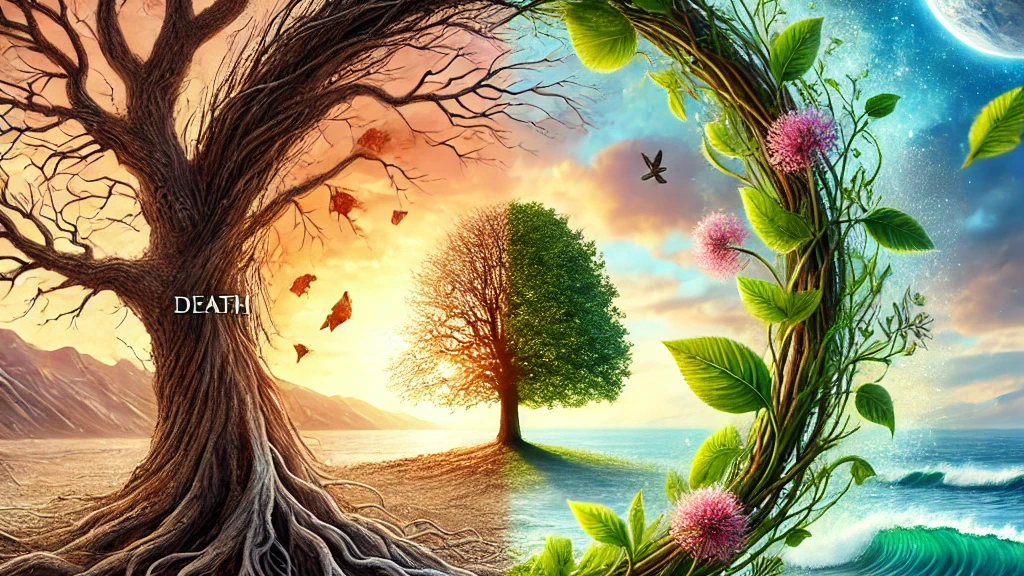
Death is not just the end—it is transformation. In life, nature, business, and leadership, death paves the way for regeneration and renewal. Whether it is the passing of outdated ideas, practices, or even ecosystems, death ensures that progress and evolution remain constant. However, our fear of letting go often holds us back, clinging to what no longer serves us. This article explores how embracing death—of systems, ideologies, and even natural elements—can lead to growth, supported by lessons from nature, leadership, and change management literature.
The Role of Death in Nature: A Foundation for Life
Nature’s cycle is built on the inevitability of death and the promise of regeneration. Every element of our planet relies on this balance:
1. Forests and Trees: Renewal Through Death
• Old trees die, making way for new growth. This process enriches the soil with nutrients, enabling younger trees to thrive.
• Forest fires, though destructive, are nature’s way of clearing deadwood and promoting the germination of certain seeds. For example, the giant sequoias rely on fire to release seeds from their cones.
2. Marine Ecosystems: A Constant Cycle
• Marine life depends on the death of organisms. Dead coral reefs, for instance, provide habitats for countless species, while the decomposition of marine life nourishes the ocean floor, sustaining other ecosystems.
• The food chain itself is a balance of life and death, ensuring the survival of species and the health of ecosystems.
3. Soil and Agriculture: Life from Death
• Dead plants and animals decompose to enrich soil, forming the basis for agriculture and plant growth. Without this process, the Earth would not sustain life.
• Crop rotation, where old crops “die,” is necessary for soil fertility and agricultural renewal.
Death in nature is not an end; it is a reset, ensuring the continuity of life.
Death in Human Systems: Lessons from Nature
The lessons from nature resonate deeply with human systems. Just as nature thrives by letting go of the old, businesses, technologies, and leaders must embrace the same principle.
1. Death in Business and Technology
Netflix: Netflix's decision to abandon its DVD rental business was a bold move that allowed the company to dominate the streaming industry, redefining how entertainment is consumed. This shift mirrors the natural process in forests, where old growth is cleared to make way for new life. More recently, Netflix has embraced another transformation by venturing into the ad-supported business model, signaling its willingness to evolve yet again to stay competitive and reach a broader audience.
Amazon:
1. The Rise of AWS (Amazon Web Services)
Amazon shifted from being merely a retailer to a leader in cloud computing by launching AWS, a service that has become the backbone of countless businesses worldwide. This transformation mirrors how marine ecosystems diversify to sustain a broader range of life, ensuring resilience and growth.
2. Expanding into Logistics
By investing heavily in its logistics network, Amazon evolved into one of the largest delivery systems globally. Its control over warehouses, last-mile delivery, and even drones mirrors how marine environments adapt by leveraging different ecological niches to maintain balance and efficiency.
3. Entering the Entertainment Industry
Amazon Prime Video marked a significant pivot into digital entertainment, challenging established players like Netflix. This leap mirrors how oceanic food chains adjust when new species enter the ecosystem, redistributing energy flows and creating new equilibrium.
4. The Physical Store Experiment
Despite its e-commerce dominance, Amazon introduced physical stores, including Amazon Go and Amazon Fresh, combining technology with traditional retail. This adaptability echoes how marine environments leverage both established and novel habitats for sustained growth.
5. Embracing AI and Voice Technology
With innovations like Alexa, Amazon integrated AI-powered voice technology into everyday life. This is akin to how marine ecosystems incorporate dynamic changes, such as the introduction of keystone species, to enhance their interconnected networks.
Other examples:
Kodak: Letting Go Too Late Kodak, a pioneer in photography, failed to let go of its reliance on film despite inventing the first digital camera. Its reluctance to embrace the death of its core business allowed competitors to dominate the digital era. Today, Kodak serves as a cautionary tale of how clinging to the old can lead to extinction.
Tesla: Killing Internal Combustion to Spark the EV Revolution Tesla disrupted the automobile industry by refusing to follow traditional internal combustion engine norms. By focusing exclusively on electric vehicles (EVs), it catalyzed an industry-wide shift toward sustainability, much like regenerative cycles in ecosystems where one species' decline fosters the growth of another.
Microsoft: Transforming Its Core Identity Under Satya Nadella, Microsoft shifted from being a Windows-centric company to a cloud-first enterprise with Azure. This decision to let go of its traditional focus mirrors the way dead trees enrich the soil, enabling new ecosystems to flourish.
2. Death in Software Methodologies and Practices
The world of software development has undergone seismic shifts as old methodologies give way to practices better suited to today’s fast-paced environment.
Waterfall to Agile and DevOps
The Waterfall methodology, once a staple in software development, required teams to complete projects sequentially, often leading to delays and misaligned outcomes. The shift to Agile, and later to DevOps, signaled the death of rigid, top-heavy processes. Agile’s iterative approach and DevOps’ focus on collaboration across development and operations teams have revolutionized the industry, much like how a forest fire clears the way for fresh growth.
Monoliths to Microservices
Traditional monolithic architectures have been largely replaced by microservices, enabling scalable and independent deployment. Companies like Netflix and Uber embraced microservices, allowing their systems to adapt and evolve, much like marine ecosystems adjust to changes in their environment.
3. Death and Renewal in Healthcare
Healthcare, too, has seen profound transformations driven by the willingness to let go of outdated practices, embracing innovative methods to save lives and improve quality of care.
Telemedicine: The Death of In-Person Exclusivity
The COVID-19 pandemic accelerated the adoption of telemedicine, breaking the age-old norm of requiring in-person visits for consultations. This shift has democratized access to healthcare, enabling remote diagnosis and treatment, particularly for underserved communities.
Precision Medicine: The Death of One-Size-Fits-All
Traditional approaches to medicine often relied on generalized treatments. The advent of precision medicine, which uses genetic, environmental, and lifestyle data to tailor treatments, has transformed patient care. Companies like Illumina, which spearheaded genome sequencing, symbolize the death of conventional methodologies in favor of personalized approaches.
Minimally Invasive Surgery: The Decline of Traditional Open Surgery
Robotic surgery and minimally invasive techniques have all but replaced traditional open surgeries in many fields, reducing recovery times and improving outcomes. This mirrors nature’s ability to find more efficient pathways for survival and renewal.
4. Death in Leadership
• Leaders like Deng Xiaoping (China’s capitalist reforms) and Abraham Lincoln (Emancipation Proclamation) demonstrate that letting go of outdated ideologies is akin to nature shedding its old layers to allow regeneration.
• In “Leading Change”, John Kotter emphasizes that the inability to let go can stifle progress, much like stagnation in ecosystems leads to collapse.
5. Death in Organizational Practices
• Companies that cling to legacy systems, like COBOL in banking, resemble ecosystems unable to adapt. They risk collapse in a rapidly changing environment.
• “Switch” by Chip and Dan Heath illustrates how shifting perspectives—like recognizing the need for Agile development over Waterfall—can be as transformative as clearing deadwood in a forest.
Spiritual and Philosophical Wisdom on Death and Renewal
Ancient wisdom echoes the truths of nature and business:
• Bhagavad Gita (2:22): “As a person puts on new garments, giving up old ones, the soul similarly accepts new material bodies, giving up the old and useless ones.”
• Renewal is natural, inevitable, and necessary.
• Buddha (Dhammapada, Verse 277): “All conditioned things are impermanent—when one sees this with wisdom, one turns away from suffering.”
• Recognizing impermanence helps us embrace transformation.
• Tao Te Ching (Chapter 76): “The stiff and unyielding are the disciples of death. The gentle and yielding are the disciples of life.”
• Flexibility, like nature’s ability to regenerate, ensures survival and growth.
Practical Steps: Embracing Death in Systems and Leadership
1. Recognize the Necessity of Death: Like dead trees enriching the soil, identify practices or systems that no longer contribute and let them go.
2. Foster Renewal: Celebrate “creative destruction,” whether it’s retiring legacy systems or transforming roles, as a means of progress.
3. Adapt and Evolve: Just as ecosystems adapt to shifts, organizations must pivot to survive and thrive.
Conclusion: Death as the Catalyst for Growth
Death is not failure—it is transformation. From the forests to the oceans, from legacy systems to leadership ideologies, death is the force that clears the way for renewal and evolution. Without it, growth stagnates, and systems crumble.
“The old must die for the new to thrive, just as the carcass of a tree nourishes the soil. Growth comes not from avoiding death but from embracing it as the ultimate catalyst for change.”
Further Reading
Embracing change is essential for growth and innovation, both in technology and leadership. Here are some recommended books and articles that explore this theme:
Embracing change is essential for growth and innovation, both in technology and leadership. Here are some recommended books and articles that explore this theme:
20 best books on Organizational change
Leading Change In this seminal work, John Kotter outlines an eight-step process for leading organizational change, emphasizing the importance of creating a sense of urgency and building a guiding coalition.
Switch: How to Change Things When Change Is Hard Authored by Chip Heath and Dan Heath, this book delves into the psychology of change, offering strategies to make transformative shifts in behavior and mindset.
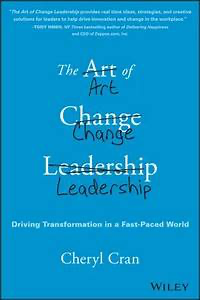
The Art of Change Leadership: Driving Transformation In a Fast-Paced World Cheryl Cran provides practical strategies for leaders to navigate and drive successful transformations in today’s rapidly evolving business landscape.
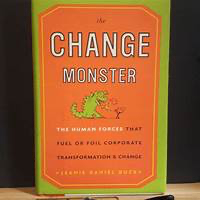
The Change Monster: The Human Forces That Fuel or Foil Corporate Transformation and Change Jeanie Daniel Duck explores the complexities and challenges that arise when implementing change within an organization, emphasizing the crucial role of human forces in driving or obstructing the process.
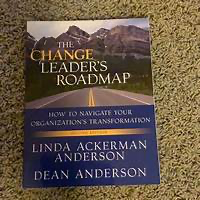
The Change Leader’s Roadmap: How to Navigate Your Organization’s Transformation Linda S. Ackerman Anderson offers a comprehensive guide for leaders to navigate their organization's transformation, providing tools and methodologies for effective change management.